
Which engineering skills are transferrable to data centres?

Could Europe Have the Next Data Centre Engineering Talent Pool?
Europe’s data centre market is expanding rapidly, and the engineering requirements behind this are becoming increasingly broad.
The infrastructure needed to support AI, cloud computing and digital services goes well beyond software. Data centres depend on electrical power systems, mechanical infrastructure, cooling, construction, controls, networks and complex project delivery.
This is creating demand across a much wider data centre engineering talent pool.
For professionals already working in engineering, this opportunity may not necessarily mean changing direction completely. In many cases, the technical experience engineers have already built could provide a route into one of Europe’s fastest-growing infrastructure markets.
This is particularly relevant across Germany and the Netherlands, where established engineering industries are changing at the same time as data centre investment continues to accelerate.
A European market expanding quickly
The scale of investment is significant.
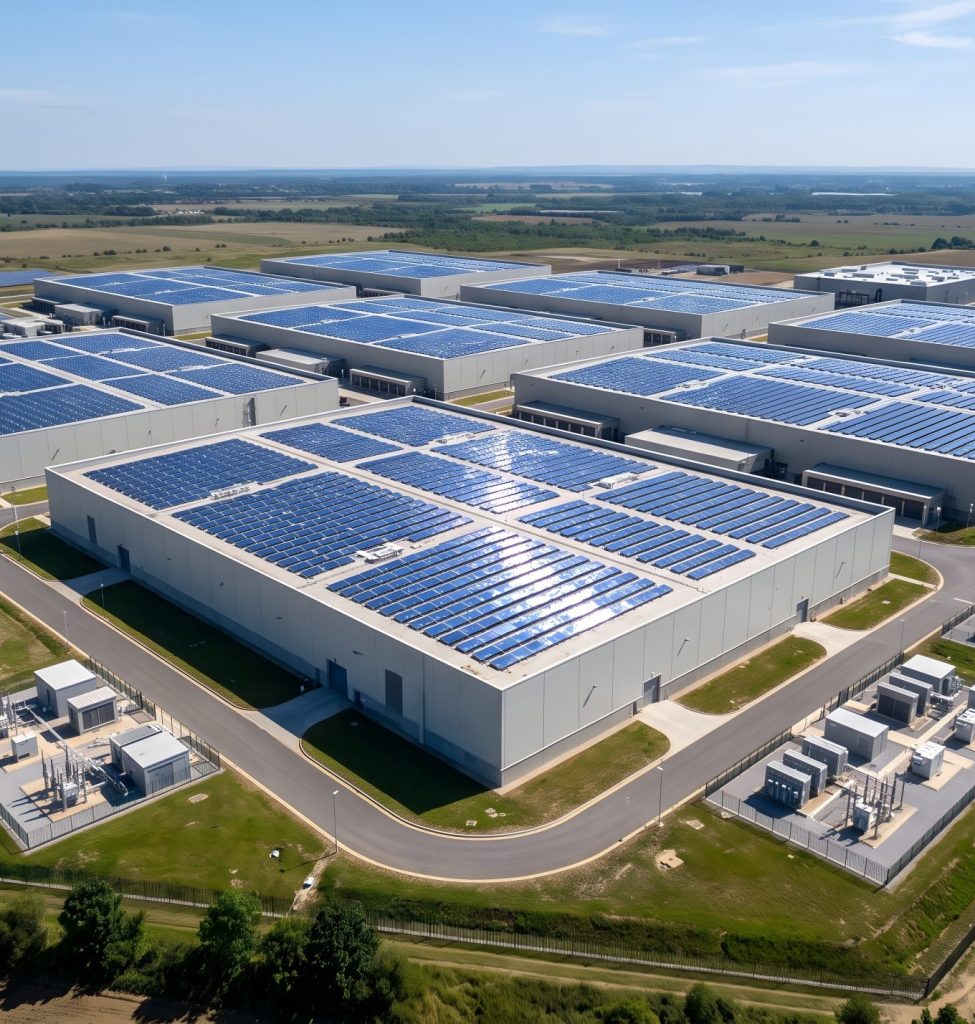
CBRE expects the European data centre market to reach 13GW of capacity by the end of 2026, representing 20% growth compared with 2025. New European colocation capacity contracted for AI purposes also more than quadrupled during the first half of 2026.
Demand is growing faster than new capacity can easily be brought online. CBRE forecasts European data centre vacancy to fall to 6.5% by the end of 2026, while grid constraints and longer construction lead times are limiting how quickly new facilities can come to market.
That combination creates a particularly important requirement: people with the engineering expertise to deliver the infrastructure.
And the demand is not concentrated in one discipline.
What engineering experience can transfer?
A data centre is a highly specialised environment, but many of the engineering principles involved are already familiar to professionals working elsewhere.
Electrical engineering
Electrical engineers are fundamental to the development and operation of data centre infrastructure.
High-voltage systems, power distribution, protection, compliance, testing and commissioning all form part of the environment.
An engineer who has worked on large-scale electrical infrastructure may therefore already possess much of the technical foundation required, even without previous data centre experience.
The difference is the criticality of the application. Data centre engineering requires resilient power infrastructure designed around continuity, redundancy and reliability.
Mechanical engineering
Cooling is another major part of the equation.
Mechanical engineers with experience across HVAC, plant, thermal management, airflow and environmental controls can find significant crossover between industrial environments and data centre projects.
As computing density increases, so does the engineering challenge around heat management. The IEA estimates that data centres could account for around 10% of electricity demand growth in the European Union through to 2030 under current policy settings.
That puts energy efficiency, cooling and wider mechanical infrastructure firmly within the industry’s growth story.



Construction and civil engineering
The physical development of a data centre brings its own set of engineering challenges.
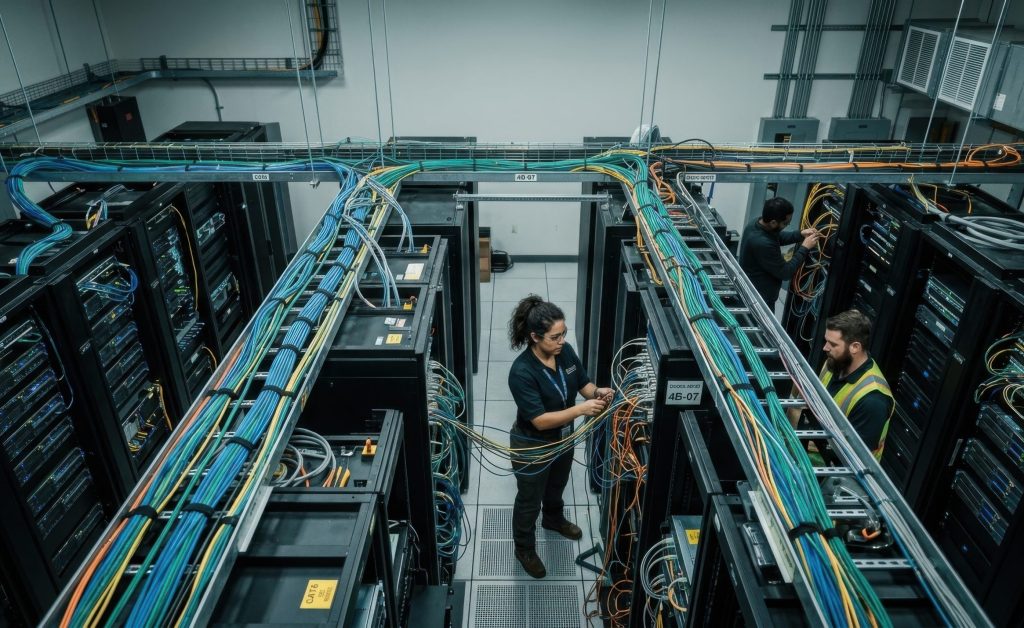
Large sites require complex utilities, structural works, project controls, contractor management, health and safety and long delivery programmes.
For construction and civil engineers, the crossover can therefore sit less in the specific building type and more in the experience of delivering technically complex infrastructure at scale.
Controls, network and software engineering
The transferability also extends beyond traditional mechanical and electrical disciplines.
Data centres rely on sophisticated controls, monitoring, connectivity, automation and software systems to operate effectively.
Engineers with experience across industrial automation, networks, IT infrastructure and systems integration can therefore have relevant experience even if their previous projects have been outside the data centre market.
“Electrical and mechanical engineers are particularly well placed to move into data centres, with experience across power, cooling, HVAC and complex building systems. Civil and construction professionals also bring highly transferable skills in project delivery, site coordination and contractor management. The environment may be different, but the core engineering and delivery skills are already there.”
Holly Fargus, Electrical Engineering Consultant | Vivid Düsseldorf
A particularly relevant opportunity in Germany

Germany is already Europe’s largest data centre market.
The German Datacenter Association reports more than 1.5GW of operational data centre capacity, with Frankfurt accounting for approximately 1,274MW.
The country’s position as a major industrial and technology economy also gives it a large existing engineering talent pool.
At the same time, parts of Germany’s traditional industrial base are undergoing significant change.
The automotive industry provides a clear example.
VDA figures show that employment across Germany’s automotive industry fell from 772,949 in 2024 to 731,928 in 2025, a reduction of 5.3%. Within automotive parts and accessories manufacturing, employment fell by 11.1% over the same period.
For engineers, changes like these can prompt a reassessment of where their existing skills can be applied.
Automotive and industrial engineering can involve complex automation, electrical and mechanical systems, commissioning, testing, quality management, safety requirements and tightly controlled production environments.
Those capabilities do not disappear when an engineer changes sector. They can become relevant to other forms of complex infrastructure.
“Engineers coming from Germany’s automotive sector already have many of the skills data centres need, from systems integration and automation to quality, testing and complex project delivery. That experience in highly regulated, precision-led environments can transfer well into mission-critical infrastructure.”
Molly Carroll, Data Centre Engineering Staffing Specialist | Vivid Düsseldorf
The Benelux is already seeing the shift
The opportunity for change is not limited to Germany.
Vivid’s own engineering recruitment data points to particularly strong data centre activity across Belgium and the Netherlands. In its FY25/26 engineering review, Vivid’s Benelux electrical engineering team reported a sharp upturn in data centre engineering activity across both markets, with electrical and mechanical professionals in high demand as projects moved forward following budget approval.
2026 is no different. Engineering recruitment activity has accelerated significantly this year, with placements increasing 73.97% in May-August compared with January-April.
Vivid’s European engineering recruitment teams are already supporting data centre engineering projects across the region, covering construction, electrical engineering, commissioning and wider technical roles. Its teams operate from Antwerp, Amsterdam, Rotterdam and Düsseldorf, giving the business local market coverage across the three markets at the centre of this story.
That local knowledge matters in a market where project requirements, contractor availability and candidate mobility can vary significantly between countries.
Staying ahead of the demand
For engineers considering a move into data centres, making the transfer is not simply about responding to current vacancies.
The market is developing quickly, and the requirements are likely to evolve alongside the infrastructure itself.
AI is increasing computing density. Power availability is becoming a constraint on new development. Cooling requirements are changing. Projects are becoming increasingly complex and highly specialised.
For engineers, that makes understanding where their existing experience fits particularly valuable.
“Data centre growth is creating opportunities across a much wider range of engineering disciplines, and that demand is only becoming more visible in the market. Engineers who start building relevant experience now can put themselves in a stronger position as data centre engineering skills become increasingly sought after.”
Daniel Reid, Associate Director | Data Centre Engineering Recruitment Europe
The engineers who can combine existing technical expertise with an understanding of mission-critical infrastructure may be able to open up opportunities that were not previously part of their career path.
What does this mean for engineers?
The starting point does not necessarily need to be a data centre job title.
It could be identifying the parts of an existing engineering background that have relevance to the sector.
That might mean:
- Electrical engineers mapping high-voltage, power distribution or commissioning experience to critical infrastructure.
- Mechanical engineers applying HVAC, cooling and thermal management experience to data centre environments.
- Construction professionals bringing project delivery, site management and infrastructure experience.
- Automation and controls engineers applying systems integration and monitoring expertise.
- Network and software engineers moving their infrastructure experience into increasingly complex digital environments.
- Automotive and industrial engineers transferring experience across automation, testing, quality and complex systems.
For some engineers, the next move may therefore be less about retraining and more about repositioning.
What Vivid is seeing across the European engineering market
This is a shift Vivid is already seeing across its European markets.
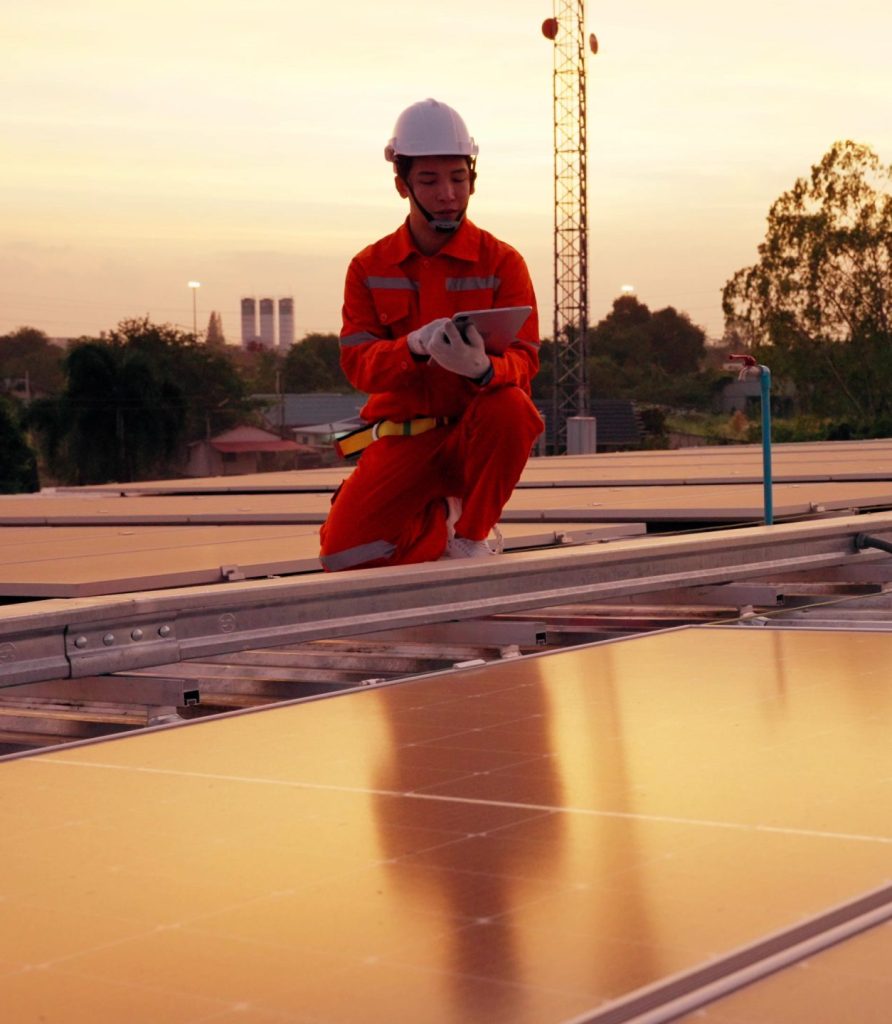
Engineering accounted for 39.9% of Vivid’s placements in FY25/26, making it the company’s largest sector by placement volume. Benelux accounted for 38.37% of placements overall (figure includes tech hires), while Vivid’s consultants reported growing demand as European projects moved from planning into delivery and commissioning.
Vivid’s European engineering teams support organisations across Germany, Belgium and the Netherlands across data centres, construction, infrastructure, electrical engineering, mechanical engineering, commissioning and other technical disciplines.
That gives Vivid a view across both sides of the market: the organisations building critical infrastructure and the engineers developing the skills to deliver it.
Looking at your engineering career from a different angle
The growth of European data centres is creating new requirements, but it is also changing how transferable engineering experience can be.
For candidates, the move may be to take skills developed in automotive, manufacturing, construction, energy or industrial engineering and apply them in a different environment.
For hiring managers, it may mean looking beyond direct data centre experience when assessing the engineering talent available to them.
The most relevant experience is not always found under the most obvious job title.
Thinking about your next engineering move?
If you’re an engineer considering a move into data centres, our European engineering consultants can help you understand where your existing experience fits and which opportunities could align with your technical background.
Hiring specialist talent for a data centre engineering project?
Vivid supports organisations across Germany, Belgium and the Netherlands with contract/freelance and permanent engineering recruitment across data centres, electrical and mechanical engineering, construction, commissioning and wider infrastructure projects. Partner with a European engineering recruitment agency that not only understands the Data Centre market, but is embedded within it.
We’re here to help
- If you’re a manager needing assistance with your current or future hiring needs, contact us to be put in touch with a market expert.
- Have a question? Find out more about the services that can help you here.
- Looking for more insights? Check out the latest news.