
Data Centre Projects in Benelux: The Engineering Skills Shortage

The growing demand for data centre infrastructure across Benelux
The Netherlands and Belgium are becoming increasingly important markets for European data centre infrastructure. As demand for artificial intelligence (AI), cloud computing and hyperscale facilities grows, data centre projects across the region are becoming larger, more complex and more technically demanding.
However, delivering this new infrastructure requires more than investment, power availability and planning approval. Access to skilled technical professionals is becoming a critical consideration for developers, engineering contractors and project owners looking to deliver new facilities and expand existing sites.
From high-voltage electrical systems to advanced cooling infrastructure, modern data centre projects depend on specialist expertise at every stage. As competition for experienced engineers intensifies, workforce availability can become a significant challenge for project delivery.
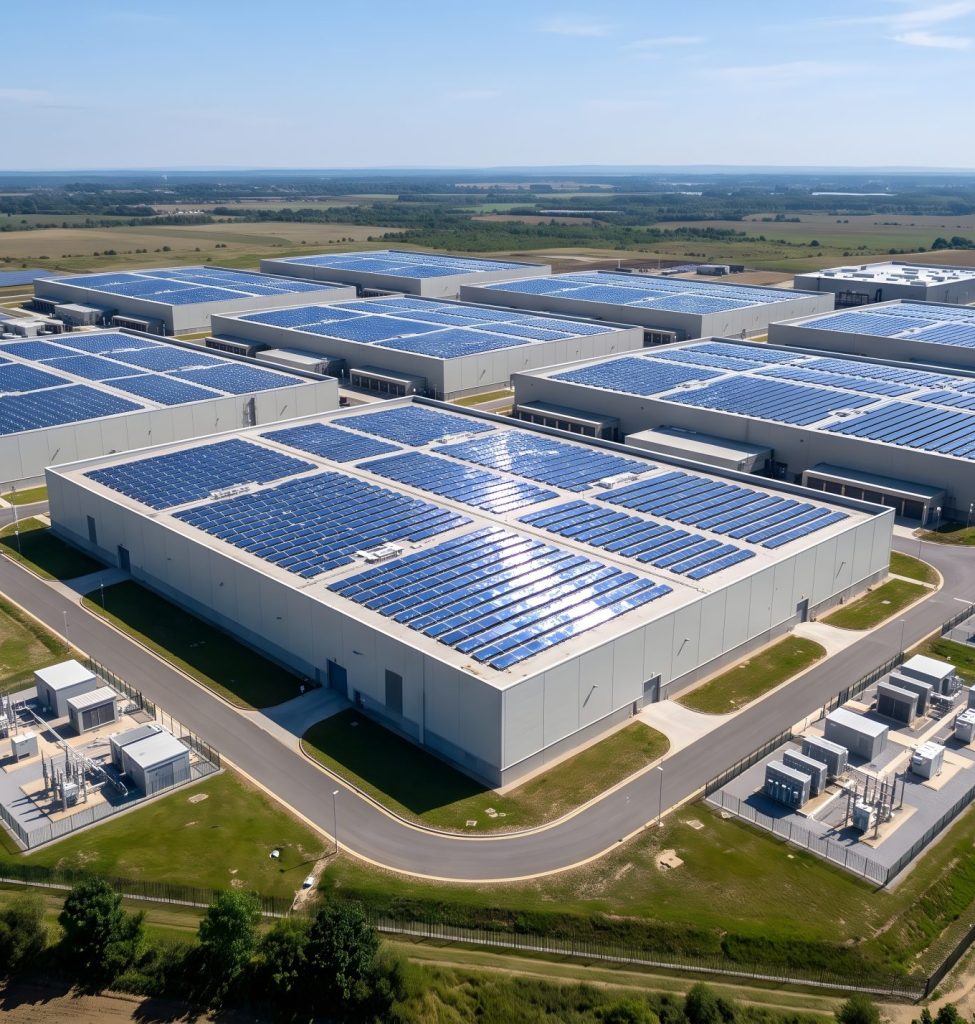
Why are data centre projects are expanding across the Benelux region?
The rapid growth of AI is changing the requirements of digital infrastructure. AI applications require substantial computing capacity, placing greater demands on the power, cooling and supporting systems within modern data centres.
As a result, developers are investing in new facilities and expanding existing campuses to accommodate growing demand. The Netherlands and Belgium are important markets within this wider European landscape, supported by established digital infrastructure and connections to major business and technology markets.
Yet building a modern data centre involves considerably more than constructing a facility and installing servers. Developers must coordinate complex electrical and mechanical systems, cooling infrastructure, construction activities, commissioning and ongoing operational requirements.
AI infrastructure adds further complexity. Higher rack power densities and more demanding thermal management requirements are increasing the importance of advanced cooling solutions, including liquid cooling for certain high-density applications.
These developments create demand for professionals with experience in mission-critical infrastructure, industrial engineering and large-scale construction. Securing the right expertise is therefore an important consideration when planning and delivering data centre projects.
The technical skills shortage affecting project delivery
One of the challenges facing the Benelux data centre market is the availability of experienced engineering and construction professionals.
Data centre projects require a combination of specialist technical skills that are not always readily available through traditional construction or IT recruitment channels. Professionals must understand the specific requirements of critical infrastructure, where reliability, safety and coordination are essential.
Key roles can include:
Electrical engineers and high-voltage specialists: Responsible for power distribution, electrical infrastructure, switchgear, generators and other critical systems.
Mechanical engineers: Supporting HVAC systems, cooling infrastructure and thermal management.
Commissioning engineers: Testing and verifying systems to ensure they operate as designed before facilities become operational.
Project and construction managers: Coordinating contractors, managing schedules and overseeing delivery across complex construction programmes.
Site supervisors: Managing on-site activities, coordinating teams and maintaining construction standards.
HSEQ professionals: Supporting health, safety, environmental and quality requirements throughout construction and commissioning.
As projects become more technically demanding, employers may need candidates with experience in specific systems or mission-critical environments rather than general construction backgrounds alone.
This can narrow the available talent pool, particularly when multiple projects require similar expertise at the same time.

Why data centre developers are competing with other industries
Competition for technical professionals extends beyond the data centre sector itself.
The energy industry continues to require experienced engineers and project specialists to support grid upgrades, renewable energy developments, battery energy storage systems (BESS) and new substations. These projects share many of the electrical and infrastructure skills needed to deliver data centre developments.
Rail infrastructure also requires experienced electrical and systems engineers, while defence and industrial engineering projects compete for professionals with specialist technical knowledge and project delivery experience.
For candidates, these industries can offer opportunities to apply transferable skills across different types of infrastructure projects. For employers, however, this means competing with a wider range of businesses for a relatively specialised workforce.
Electrical engineers, project managers and site supervisors with relevant experience may be in demand across several sectors simultaneously. Employers therefore need to consider how their project requirements, contract structures, working arrangements and delivery schedules affect their ability to attract suitable candidates.
For data centre developers, early workforce planning can help identify critical roles and establish realistic recruitment timelines before skills shortages begin to affect project milestones.
How labour shortages can affect data centre project timelines
Engineering and construction vacancies can create challenges throughout the data centre project lifecycle.
Construction schedules
A shortage of experienced site supervisors, electrical engineers or construction managers can make it harder to coordinate installation activities and maintain progress against project milestones. Delays in one area may also affect dependent activities elsewhere on the site.
Commissioning and operational readiness
Commissioning requires specialist knowledge of the systems being tested and verified. Where suitably experienced professionals are unavailable, completing testing and preparing a facility for operation can become more difficult.
Project costs
Competition for experienced permanent employees and freelance contractors can put pressure on salary expectations and contractor rates. Prolonged vacancies may also increase the risk of schedule disruption and additional project costs.
Health, safety and quality
Large construction projects require appropriate supervision and effective HSEQ management. Maintaining suitable staffing levels is important to ensuring that work is carried out safely and in accordance with relevant standards.
These pressures do not affect every project equally. The impact depends on factors such as project scale, technical complexity, the availability of existing teams and the timing of recruitment. However, they demonstrate why access to specialist talent should be considered alongside other project delivery requirements.
Building the right workforce for complex data centre projects
For developers, engineering contractors and project owners, successful workforce planning starts with understanding the technical requirements of each project.
This means identifying the essential skills needed at each stage, from early construction through to installation, commissioning and ongoing operations. It also means distinguishing between roles that require direct data centre experience and those where relevant expertise from adjacent infrastructure sectors may be transferable.
Professionals from energy, industrial engineering and other mission-critical environments may bring valuable experience, depending on the systems involved and the requirements of the position.
Employers should also consider recruitment timelines early. Specialist roles can require a more targeted search, particularly where projects need professionals with experience of specific electrical systems, cooling technologies or commissioning processes.
A clear understanding of project schedules, contract requirements, location and working arrangements can help businesses approach the market more effectively and identify suitable professionals before critical vacancies become urgent.
Supporting data centre projects across Benelux
The expansion of AI and digital infrastructure is creating opportunities for data centre development across Belgium and the Netherlands. Delivering these projects successfully, however, depends on more than securing investment and infrastructure capacity. The availability of experienced technical professionals is an important part of turning development plans into operational facilities.
As project complexity increases and demand for specialist engineering expertise continues across multiple industries, developers and contractors need to consider workforce availability from the outset.
Vivid Resourcing supports businesses across engineering and technical markets, connecting employers with professionals who can contribute to complex infrastructure projects.
Planning a data centre project in Belgium or the Netherlands? Contact our team to discuss your engineering recruitment requirements and the technical expertise needed to support your project.
“Data centre growth is creating opportunities across a much wider range of engineering disciplines, and that demand is only becoming more visible in the market. Engineers who start building relevant experience now can put themselves in a stronger position as data centre engineering skills become increasingly sought after.”
Daniel Reid, Associate Director | Data Centre Engineering Recruitment Europe
We’re here to help
- If you’re a manager needing assistance with your current or future hiring needs, contact us to be put in touch with a market expert.
- Have a question? Find out more about the services that can help you here.
- Looking for more insights? Check out the latest news.